-
More Than Many Sparrows: Ambrose of Milan and the God Who Knows Every Heart (Lectio Divina)
Nothing is hidden from God, and for many of us that is the most unsettling thing we could be told. Ambrose of Milan reasons from a single sparrow and the numbered hairs of our heads to the human heart, and the question that follows is hard to set down: what does God do with…
-

Leaven in the Dough: A Twenty-Five-Year Journey Home to the Catholic Church (Lectio Divina)
What does it look like to almost leave more than once, and still end up staying? James Finley’s image of leaven in the dough meets one man’s twenty-five-year detour through Buddhism, philosophy, and quiet desperation, and the surprising discovery of what was waiting for him all along, right at the center of it.
-

Not a Stranger on the Road: Julian of Norwich and the Love That Raises Us (Lectio Divina)
Have you ever been called toward something — only to be redirected, then found again exactly where you least expected? In this Lectio Divina reflection, Robert Van Valkenburgh follows one such movement of grace: drawn to Julian of Norwich, detoured through St. Francis de Sales, and then surprised by Julian’s words arriving through a…
-
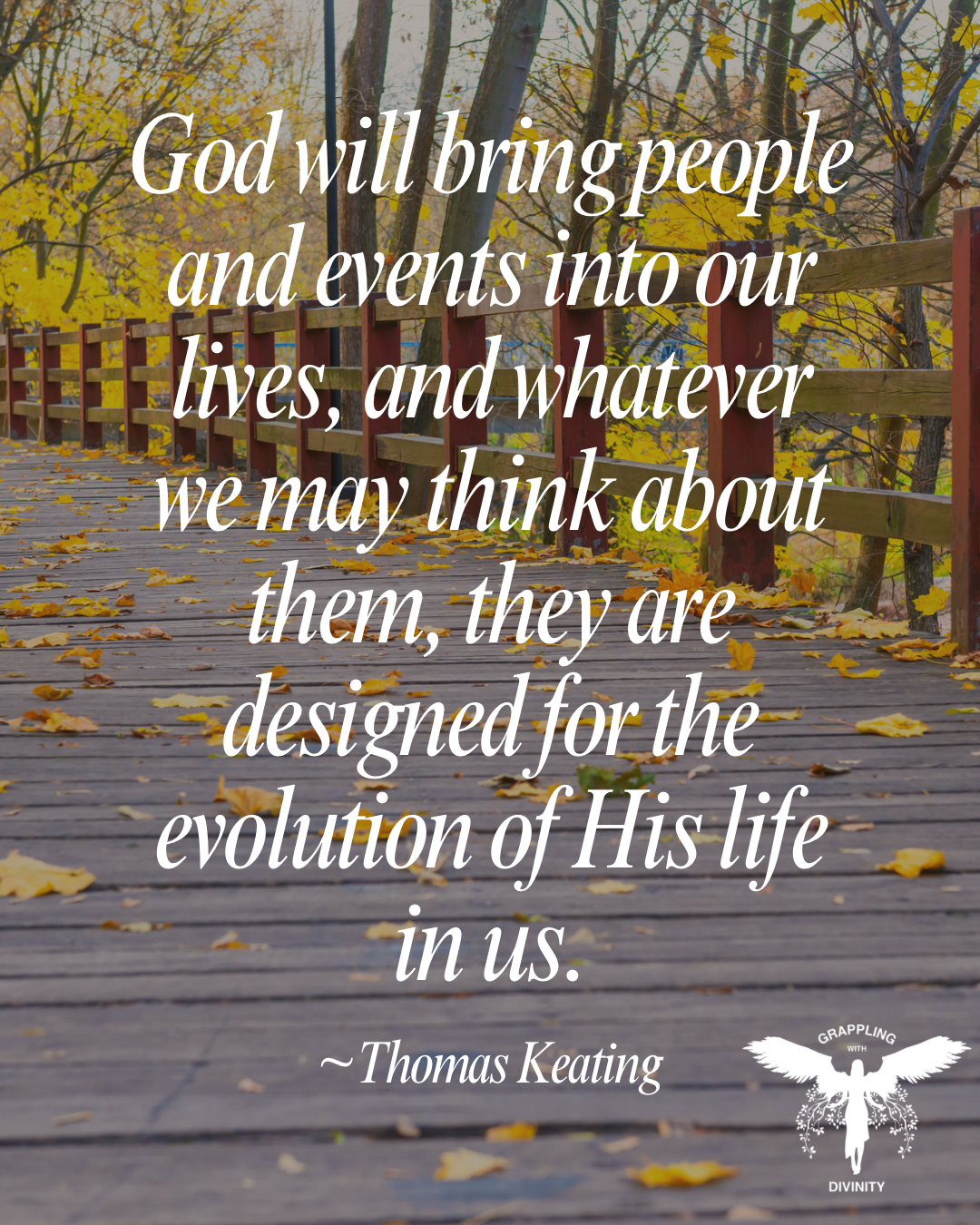
Nothing Is Wasted: God’s Purpose in Every Moment (Lectio Divina)
In the quiet unfolding of grace, even the moments we resist are not outside the reach of God’s redeeming love. This reflection explores how every relationship, trial, and unexpected turn can become an instrument of transformation, drawing us more deeply into union with the God who wastes nothing. Rooted in Romans 8:28, it invites…
-
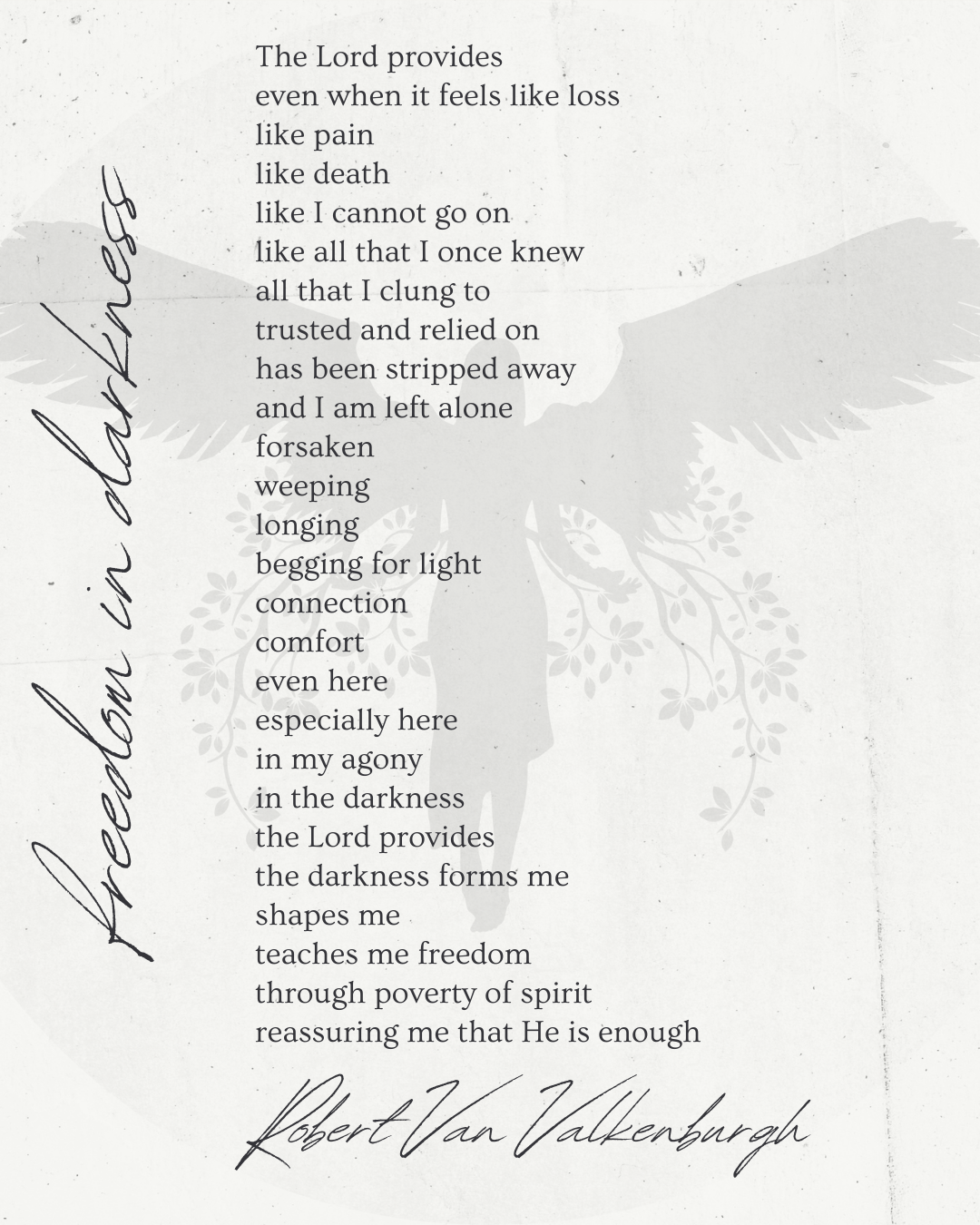
Oratio Divina: Freedom In Darkness
This reflective meditation explores how God provides even in seasons of profound loss, darkness, and suffering. Through the experience of abandonment, poverty of spirit, and inner agony, the soul is formed and freed, learning to trust that the Lord alone is enough. The piece bears witness to faith refined in darkness, where God’s presence…
-
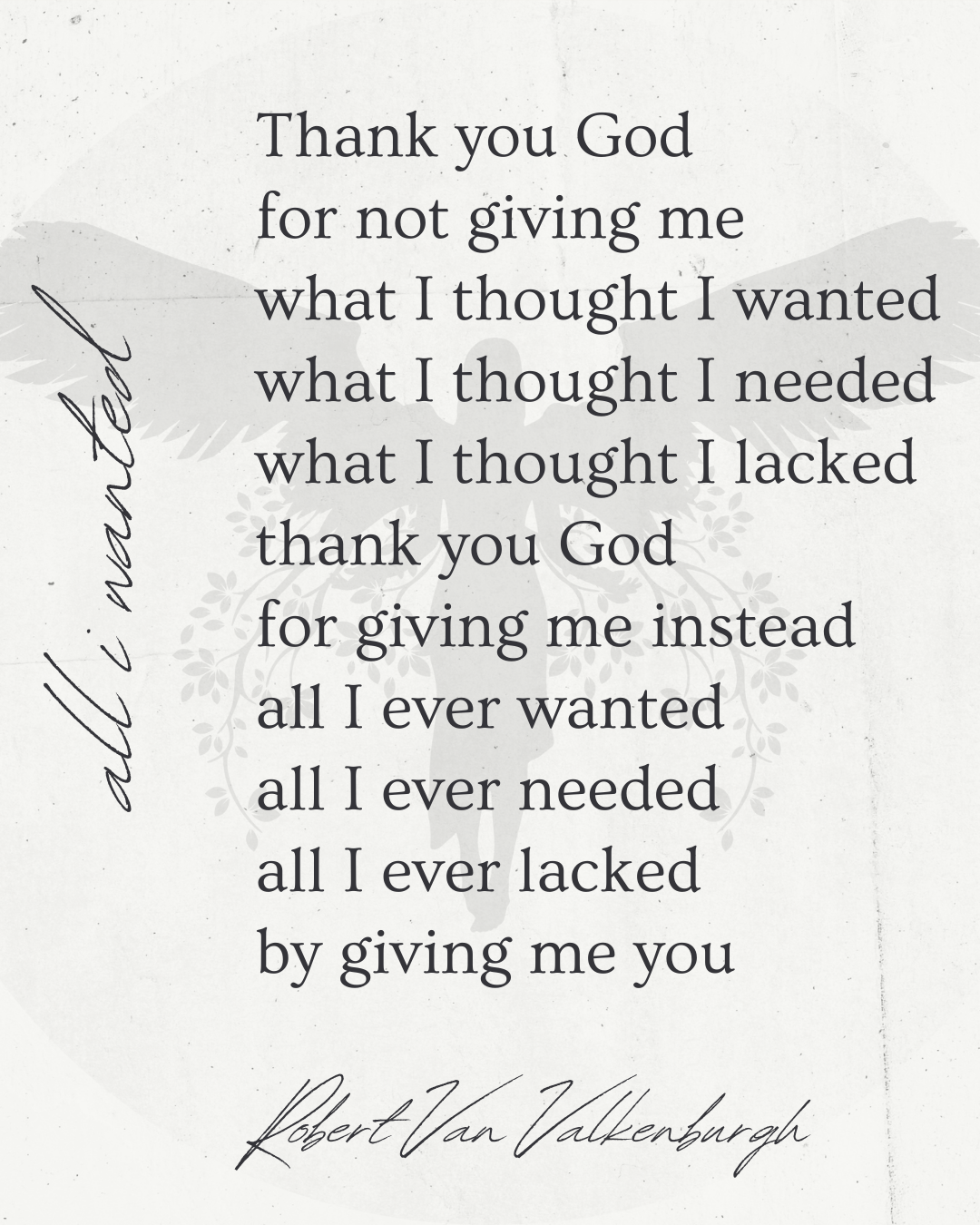
Oratio Divina: All I Wanted
This prayerful reflection expresses deep gratitude for God’s providence, acknowledging that what we believe we want, need, or lack is often transformed when surrendered to Him. Rather than fulfilling our expectations, God offers Himself—revealing that true fulfillment, sufficiency, and desire are found not in circumstances or possessions, but in relationship with Him. The passage…
-
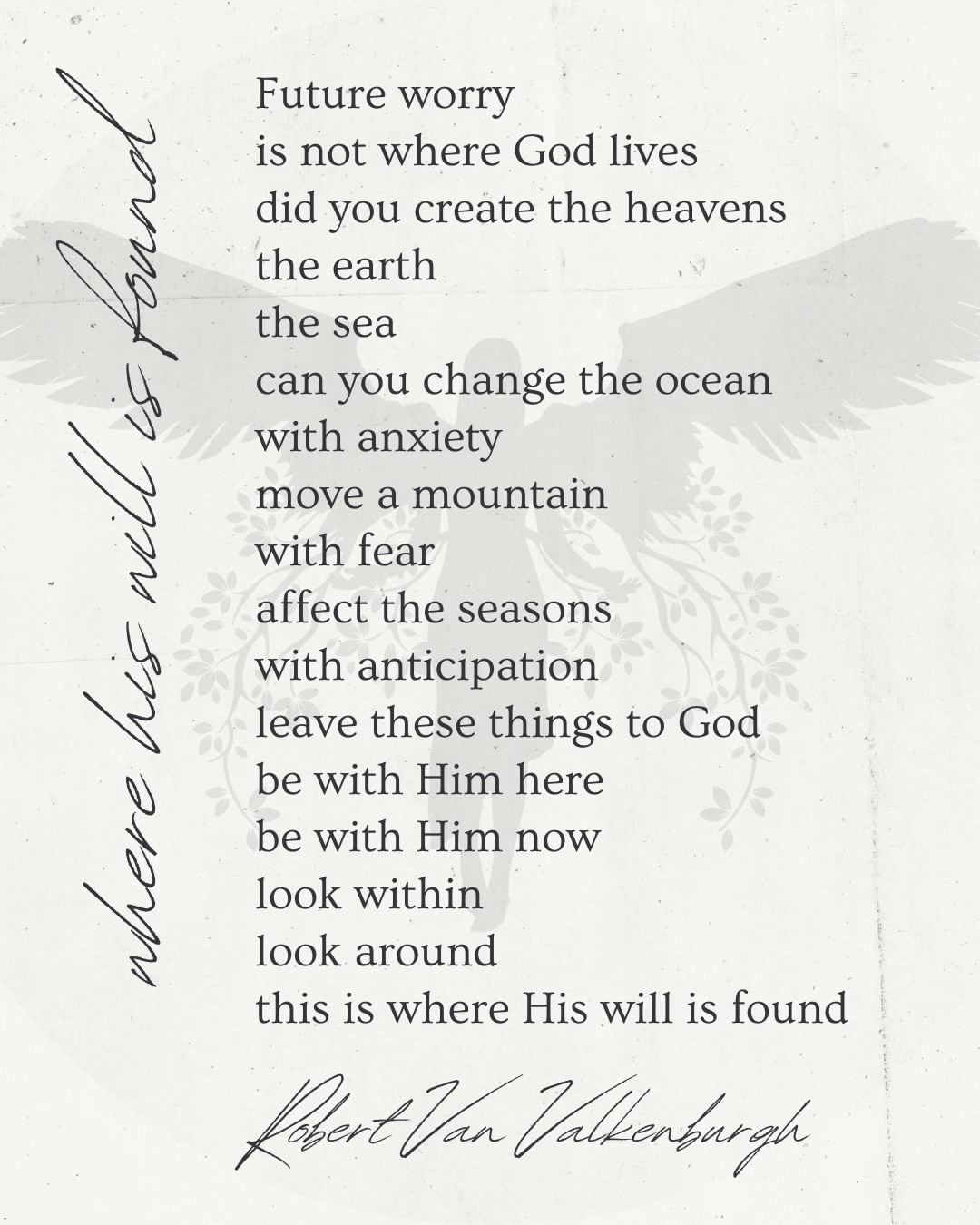
Oratio Divina: Where His Will Is Found
This oratio divina invites readers to release the burden of future worry and return to the sacred immediacy of God’s presence. By contrasting human limitations with God’s sovereignty over creation, it calls us to trust divine providence rather than anxiety, fear, or anticipation. The reflection emphasizes that God’s will is discovered not in imagined…
-
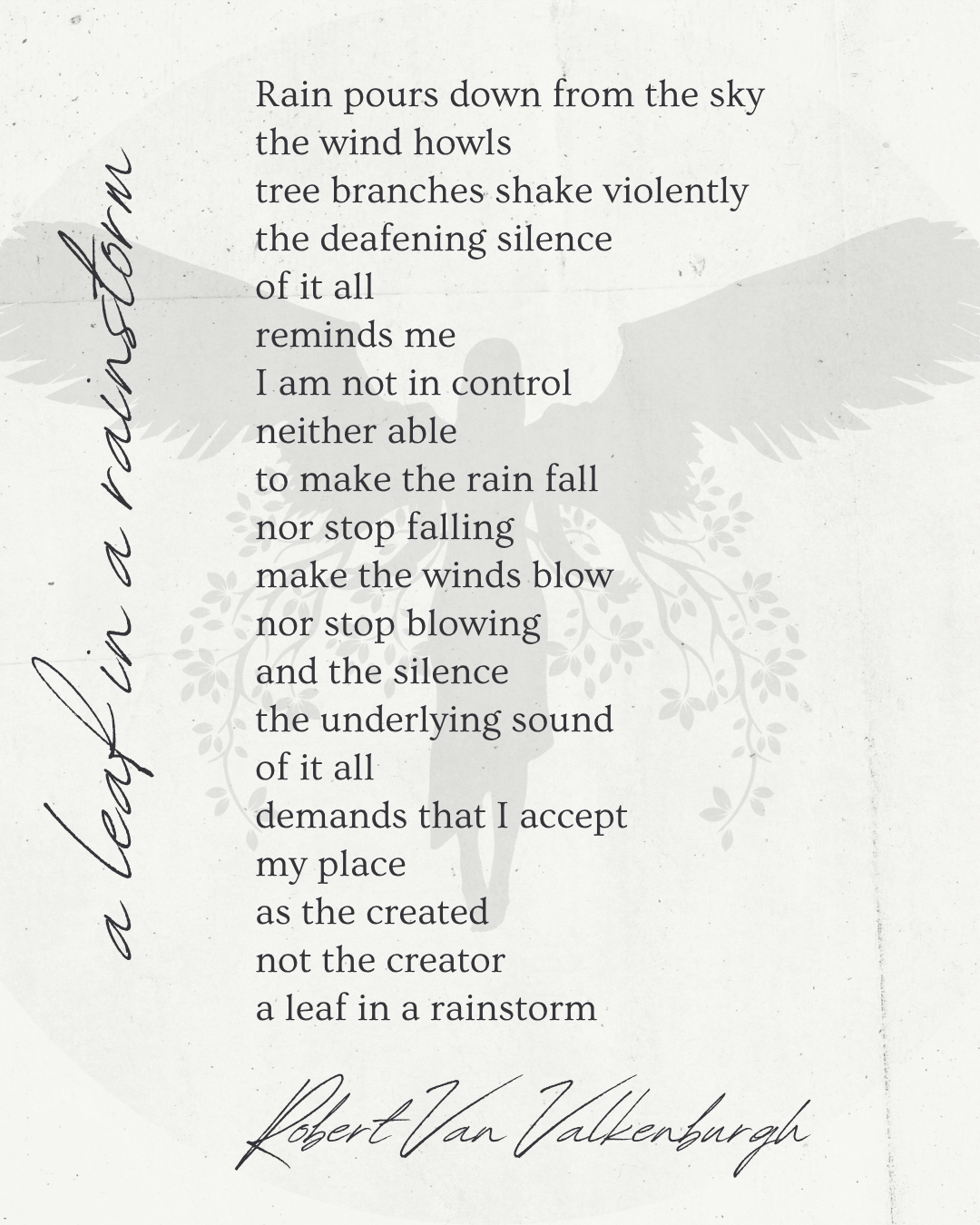
Oratio: A Leaf In A Rainstorm
In this evocative oratio divina, Robert Van Valkenburgh uses the imagery of a storm to illustrate our limited control over life’s events. The reflection presents the natural elements—pouring rain, howling wind, shaking branches—as reminders of our role as created beings, highlighting the humility required to accept our place in the grand design. This piece…