-
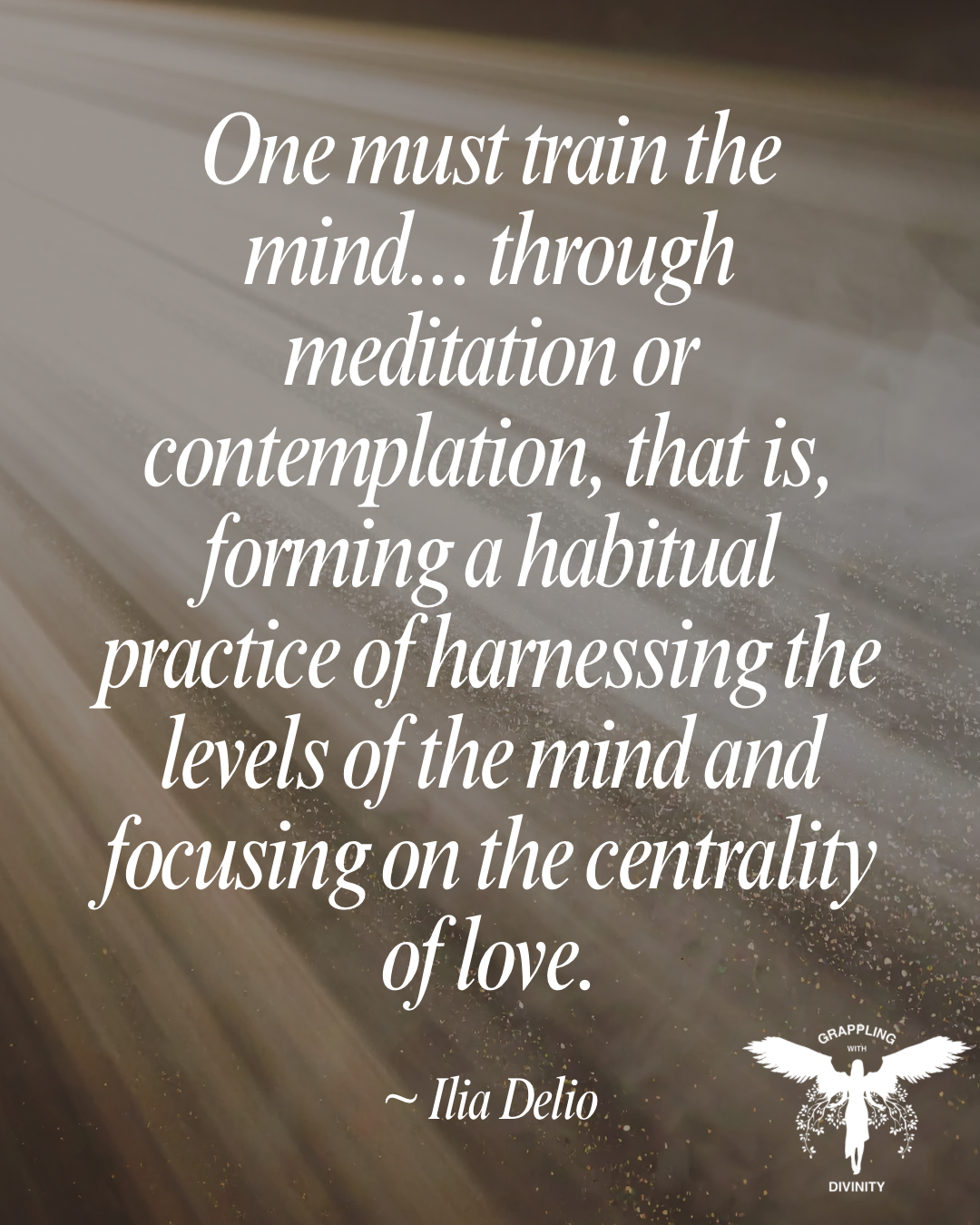
The Mind of Christ: Meditation, Contemplation, and the Discipline of Love (Lectio Divina)
Drawing on Ilia Delio’s call to train the mind through meditation and contemplation, this Lectio Divina explores how Jesus himself models the discipline of love — bracketing all his good works with solitary prayer, and culminating in the obediential consent of Gethsemane. A reflection on how the cycle of solitude, surrender, and outpouring becomes…
-
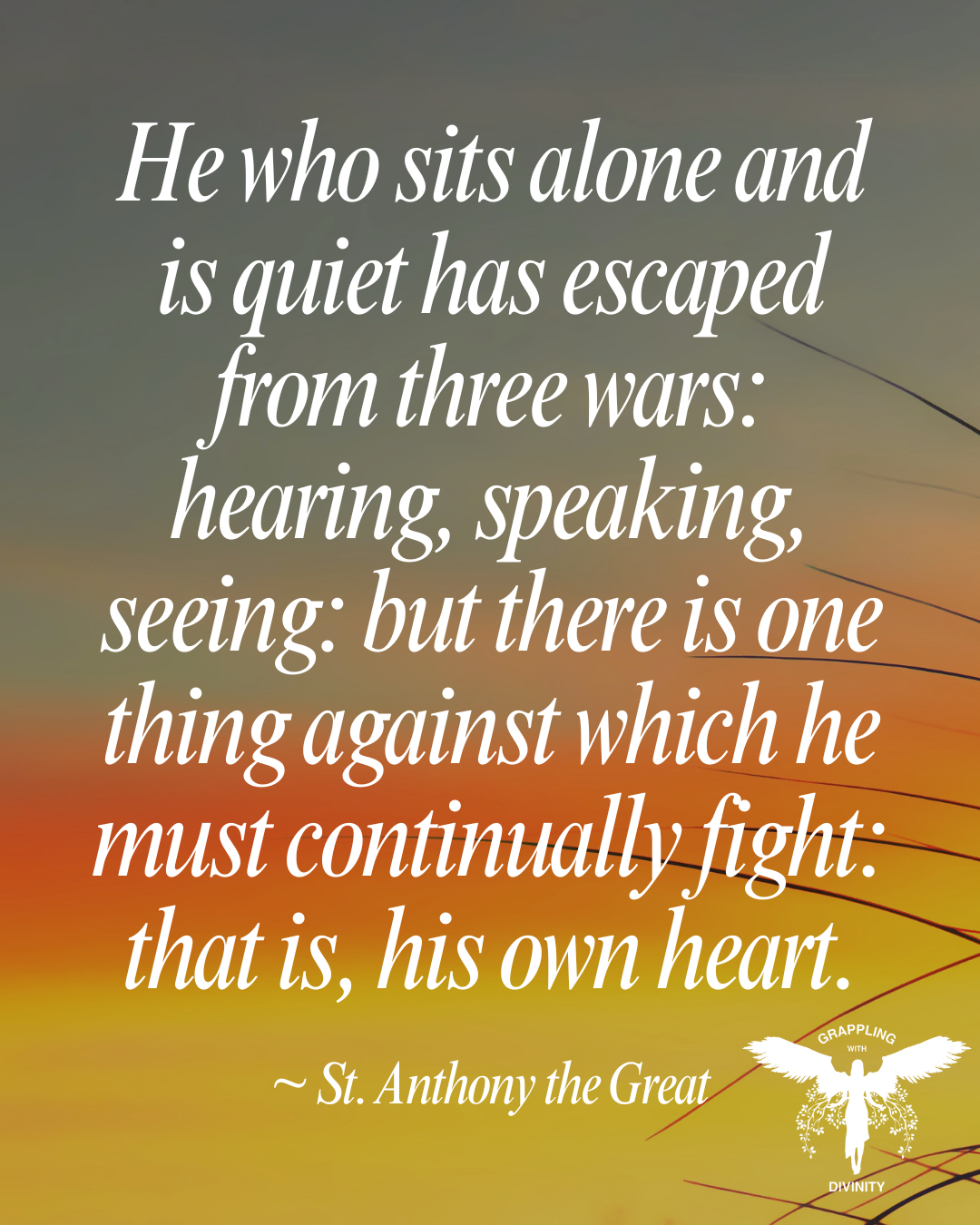
The Last Battlefield: On the Heart, Silence, and the Grace That Draws Us Home (Lectio Divina)
Drawing on Anthony the Great and the desert tradition, this Lectio Divina explores the heart as both battlefield and the ground of our deepest longing — and invites us into the silence where grace does what we cannot: draw the heart home to God.
-

The School of Divine Love: Consent, Centering Prayer, and Mary’s Humble Yes (Lectio Divina)
Drawing on Thomas Keating’s vision of prayer as a school of divine love, this Lectio Divina explores consent as the heart of the contemplative life — tracing Mary’s humble yes through the practice of centering prayer and into our own daily surrender to God’s quiet, knocking presence.
-
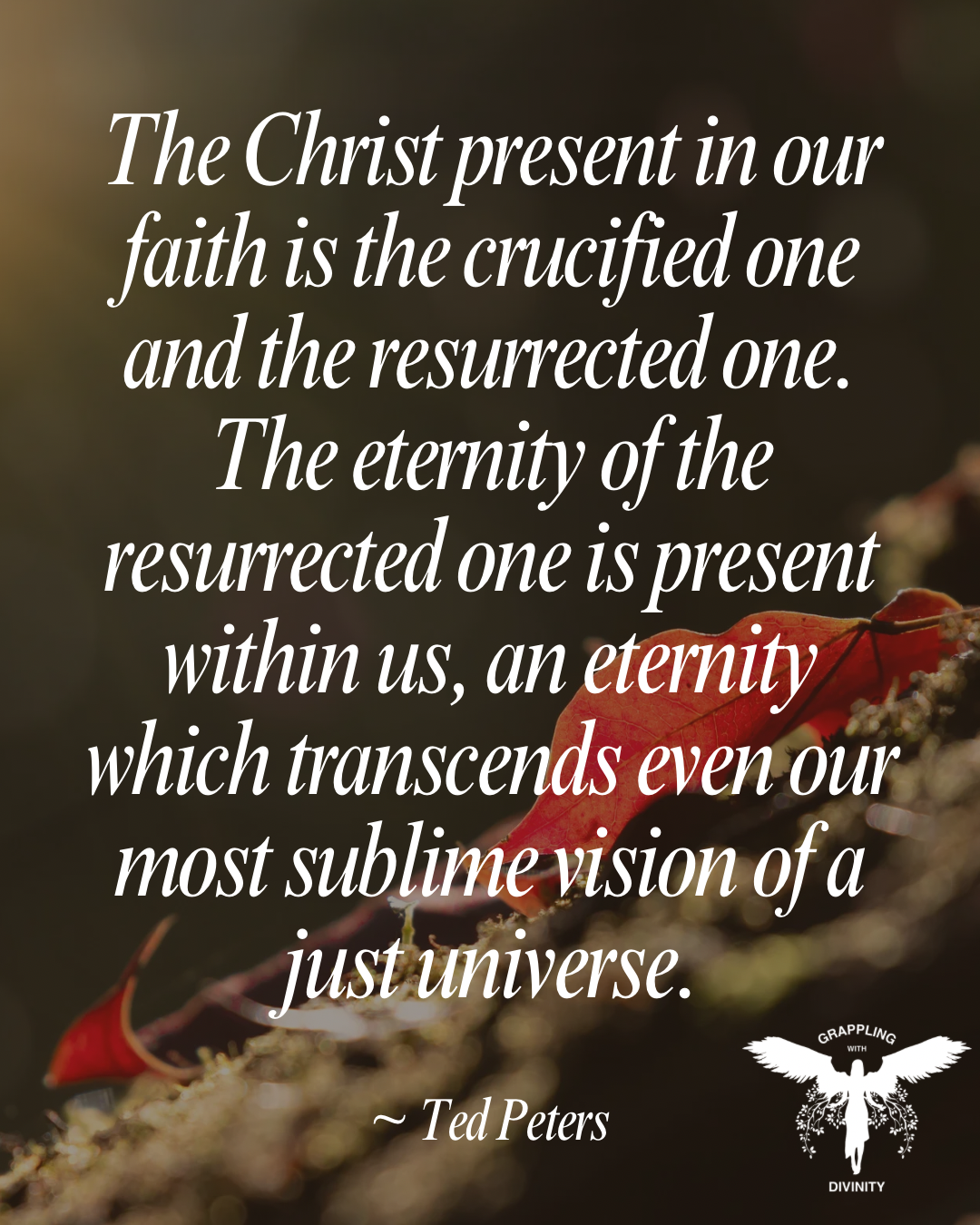
Our Ways Lead to Death. Christ Carries Us to Life. (Lectio Divina)
Our vision of justice, perfection, and eternity will always fall short of what God has prepared. Drawing on Ted Peters and the Pauline tradition, this Lectio Divina post meditates on how Christ — crucified and risen, dwelling within us — carries us beyond our broken understanding into the life, love, and eternity only God…
-
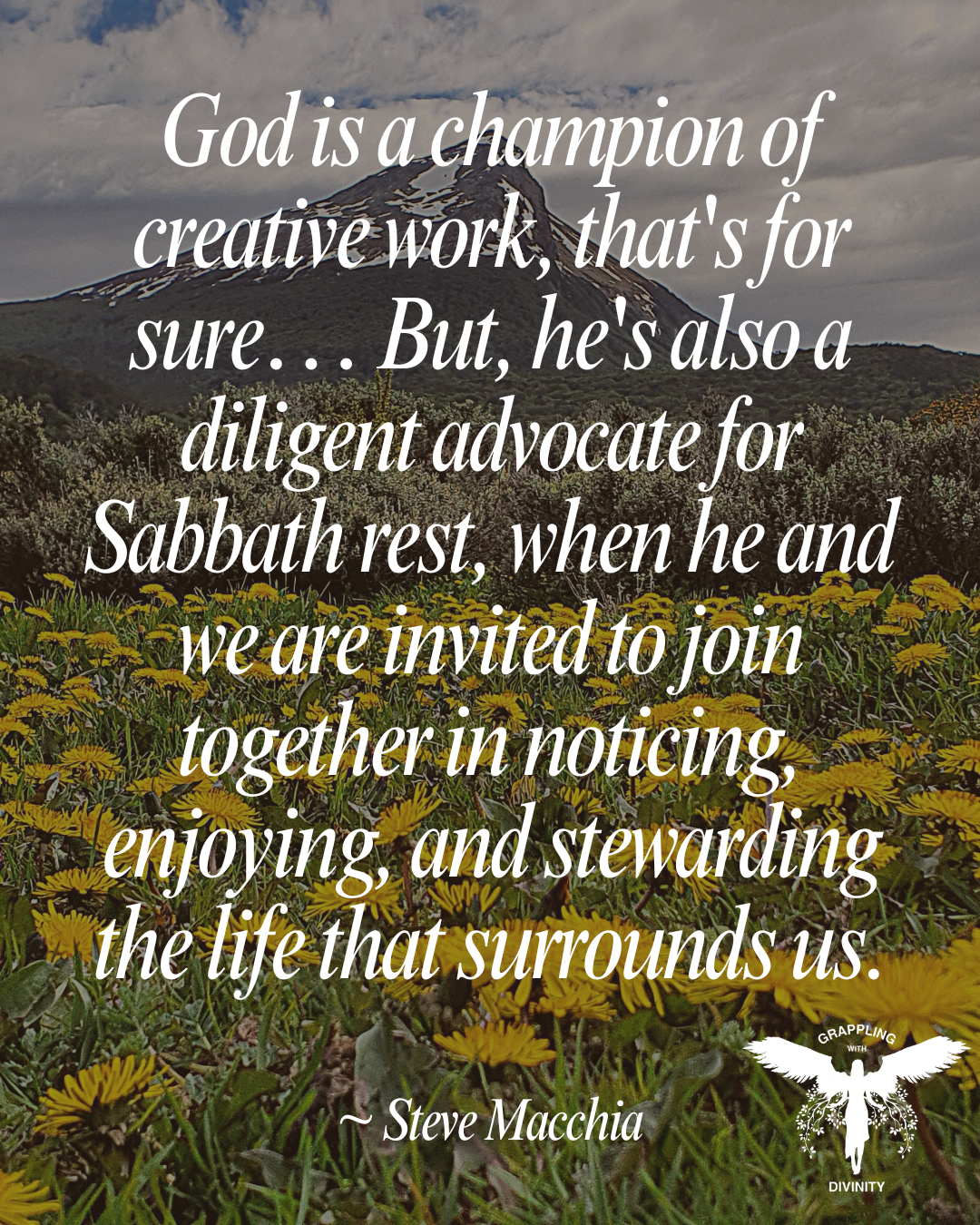
The Ground of Creativity: Sabbath Rest and the God Who Rests With Us (Lectio Divina)
Drawing on Steve Macchia and the Sabbath theology of Genesis, this Lectio Divina explores the relationship between creativity and rest — and invites us to discover that rest is not a pause from our creative lives, but the very ground from which all true creativity flows.
-

The Hidden Well: Finding God’s Peace in Stillness (A Lectio Divina)
Drawing on John Henry Newman’s image of a hidden well — shaded, silent, and unknown to the world — this post explores the deep interior peace that Love offers to a weary and broken heart. Through sensory presence and quiet surrender, it traces the contemplative movement from restlessness to repose, and from homecoming to…
-
Already Loved: How God’s Infinite Love Calls Us to Love in Return (Lectio Divina)
What are we supposed to do with lives already held in God’s infinite love? Drawing on the contemplative wisdom of Jeanne Guyon, Thomas Merton, James Finley, and Henri Nouwen, this reflection explores the great commandment — to love God and neighbor — not as a means of earning grace, but as our free and…
-

Blessed Are the Afflicted: Bearing Suffering With Thankfulness (Lectio Divina)
Drawing on the wisdom of Abba Copres and the story of Job, this contemplative reflection explores what it means to bear suffering with thankfulness — not as passive resignation, but as an act of deepening trust. When the answers we seek never come, and when blame offers no peace, the invitation is to consider…
-
We Are One: Remembering Our Unity in Christ Through Nonviolence (Lectio Divina)
Violence is what happens when we forget who we are. Drawing on Thomas Merton’s vision of nonviolence and the Christian mystical tradition, this post traces the deep truth that we are all formed from the same dust, animated by the same breath, and held together in the body of Christ — and that remembering…
-
Silenced by Love: Finding Our True Identity in Christ (Lectio Divina)
We defend ourselves because we believe our identity can be injured by words. But the part of us that is wounded, offended, and exhausted is not the part of us where God abides. Drawing on the silence of Christ before His accusers and the contemplative wisdom of Father Malachy Napier, this post traces the…