-

When The Ashes Rise: Resentments And The Purifying Fires Of Love (Lectio Divina)
Resentment doesn’t just wound relationships — it distorts vision, leaving us unable to recognize God in God, in our neighbors, or in ourselves. Drawing on Thomas Merton’s unsettling observation about the cost of too much privacy, and on Abba Anthony’s stark saying about life, death, and the neighbor, this reflection traces resentment as it…
-

Love Much: Teresa of Ávila on the Soul’s Deepest Longing (Lectio Divina)
Teresa of Ávila warns that progress in the spiritual life depends not on how much we think, but on how much we love. But what does it mean to follow love when your appetites are shouting, your desires are divided, and the whisper of Love is barely audible beneath the noise? This reflection begins…
-

Hollowed Out by Love: Suffering as Purification (Lectio Divina)
Drawing on the haunting image of Abba Arsenius — whose tears wore a hollow in his chest over a lifetime of weeping — this Lectio Divina reflection traces the movement from suffering to purification, from emptiness to union. Our longing for God will cause us pain as we grieve for all that is not-God.…
-

What We Love We Shall Grow to Resemble: On Love, Forgiveness, and the Soul’s Formation (Lectio Divina)
What we love, we shall grow to resemble. Drawing on Bernard of Clairvaux, the Dhammapada, the Sermon on the Mount, and Paul’s letter to the Romans, this Lectio Divina meditation traces the quiet logic of the soul’s formation through its own outpouring. It is not what is done to us that damages the soul,…
-

The Unending End: On Love, Resurrection, and the Life That Awaits Us (Lectio Divina)
Drawing on Augustine’s vision of eternal life in the City of God, this Easter Sunday Lectio Divina explores what it means that true love is not transactional but transformative — that what we give in love is given back more perfectly in the resurrection, body and spirit made new, even with the wounds this…
-

Opening the Heart: Love, Grace, and the Practice of Saying Yes (Lectio Divina)
Every moment is an invitation to open our hearts or harden them. Drawing on Karl Rahner’s theology of grace and Elizabeth Johnson’s vision of love’s ever-widening circle, this Lectio Divina reflects on why love takes practice, why the neighbor is our primary teacher, and how Christ’s self-emptying becomes the ground of our own yes.
-

Jesus With Us: In Suffering, Healing, and Hope (Oratio Divina)
This reflection explores the theme of Christ’s abiding presence amid human suffering, offering comfort to the brokenhearted and meaning in life’s trials. Rooted in Scripture and contemplative faith, it invites readers to recognize Jesus with us in every burden and to find hope in divine love and mercy. A related meditation on walking through…
-
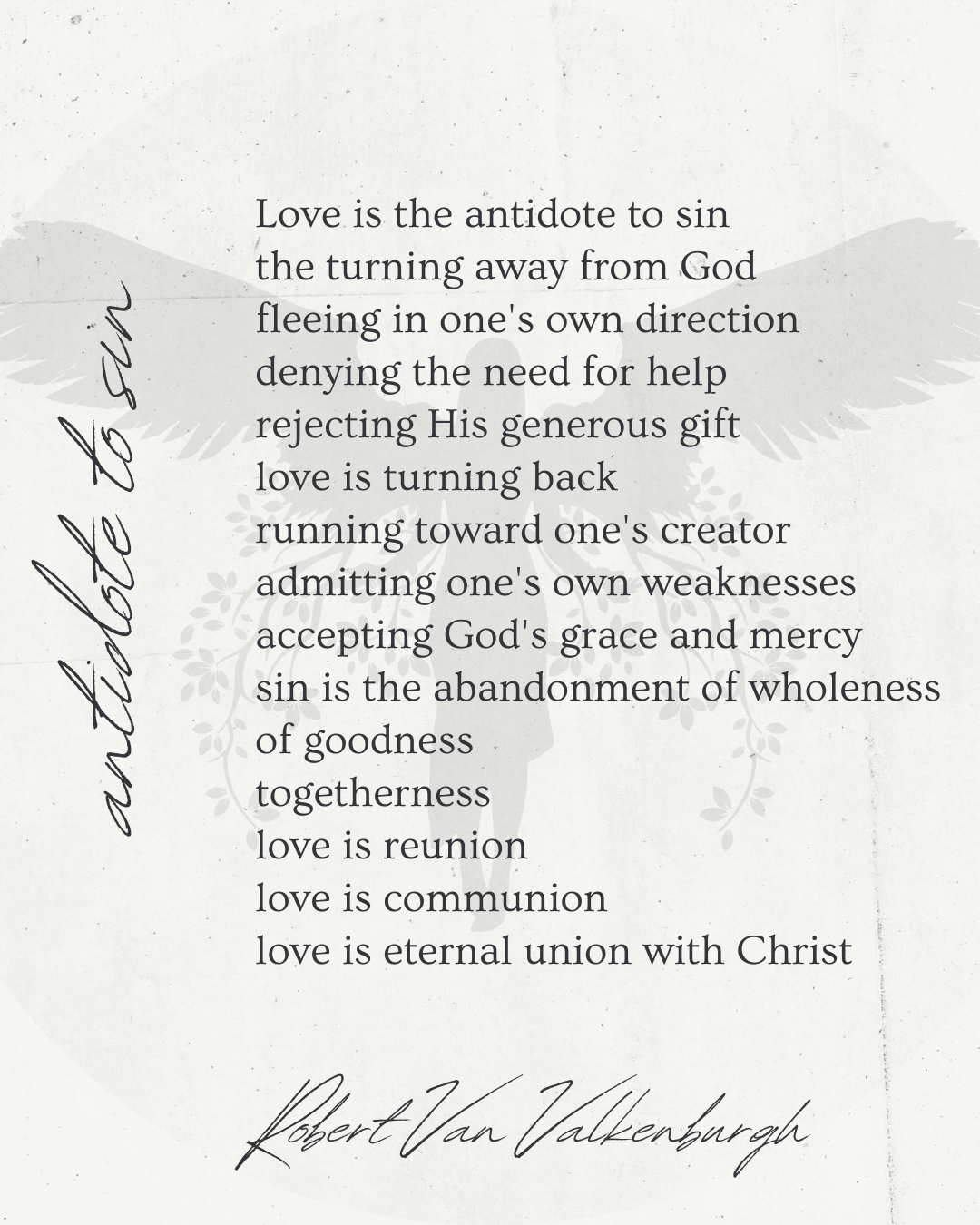
Oratio Divina: Antidote To Sin
This reflection explores love as the true antidote to sin—not merely moral failure, but a turning away from God and from wholeness itself. Sin is portrayed as isolation, self-reliance, and rejection of divine grace, while love is the movement of return: reunion, communion, and restored relationship with the Creator. Through love, weakness is acknowledged,…
-

Oratio Divina: Your Purpose Served
A prayer of surrender and sanctification, this reflection asks God to purify the heart through the Holy Spirit and use the believer as a channel of divine peace, love, and charity. Rooted in Scripture, it expresses a desire to serve others so that God’s purposes may be fulfilled and His glory revealed through a…
-

Lectio Divina: Not Owning The Other
Fr. James Martin, SJ reminds us that authentic love requires letting go of control, ownership, and the illusion of possession. True love honors the dignity, freedom, and sacredness of the other person. This reflection invites us to embrace a “poverty of spirit” that releases our grasp and allows love to be freely given and…