-

Grace Receiving Grace: John of the Cross and the Gift of Contemplation (Lectio Divina)
What does it mean to receive the gift of contemplation — and why can we never force our way into it? Drawing on St. John of the Cross’s teaching that contemplation, the highest wisdom and language of God, can only be received in a spirit that is silent and detached from discursive knowledge and…
-

Stillness Upon The Altar Of Time: An Invitation To Contemplation (Lectio Divina)
In this lectio divina reflection, Robert Van Valkenburgh invites readers into the heart of contemplative practice — not as observers, but as participants in a shared communion with God. Drawing on Guigo II’s classic articulation of the four movements of lectio divina from The Ladder of Monks, this post moves through reading, meditation, prayer,…
-

Anywhere But Here: Finding God in the Mundane (Lectio Divina)
In the mundane routines of daily life — the dishes, the laundry, the difficult conversation — God is not absent but present, nearer to us than we are to ourselves. Drawing on the Scotist vision of a God who creates out of love in order to love, this reflection invites us to stop waiting…
-
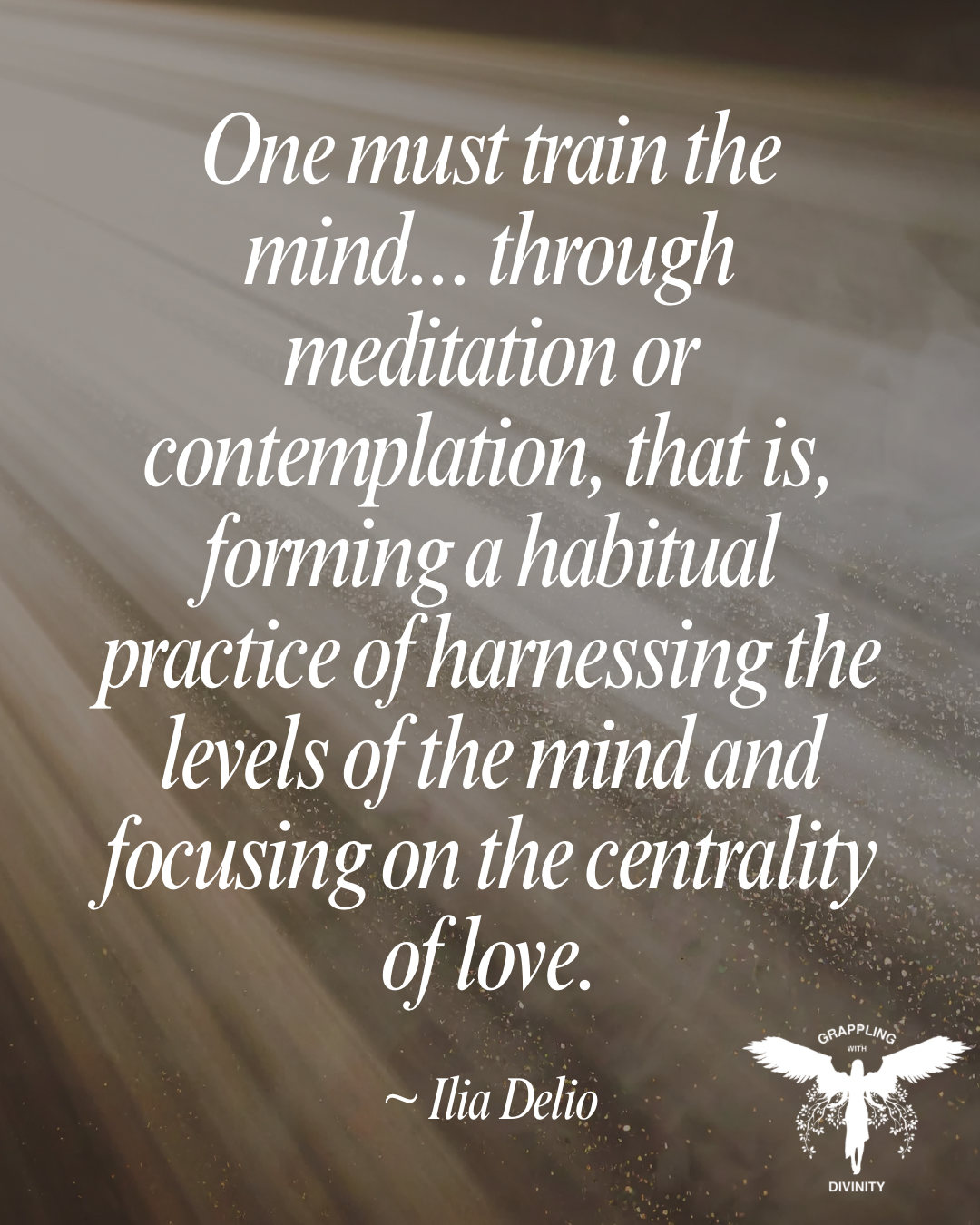
The Mind of Christ: Meditation, Contemplation, and the Discipline of Love (Lectio Divina)
Drawing on Ilia Delio’s call to train the mind through meditation and contemplation, this Lectio Divina explores how Jesus himself models the discipline of love — bracketing all his good works with solitary prayer, and culminating in the obediential consent of Gethsemane. A reflection on how the cycle of solitude, surrender, and outpouring becomes…
-
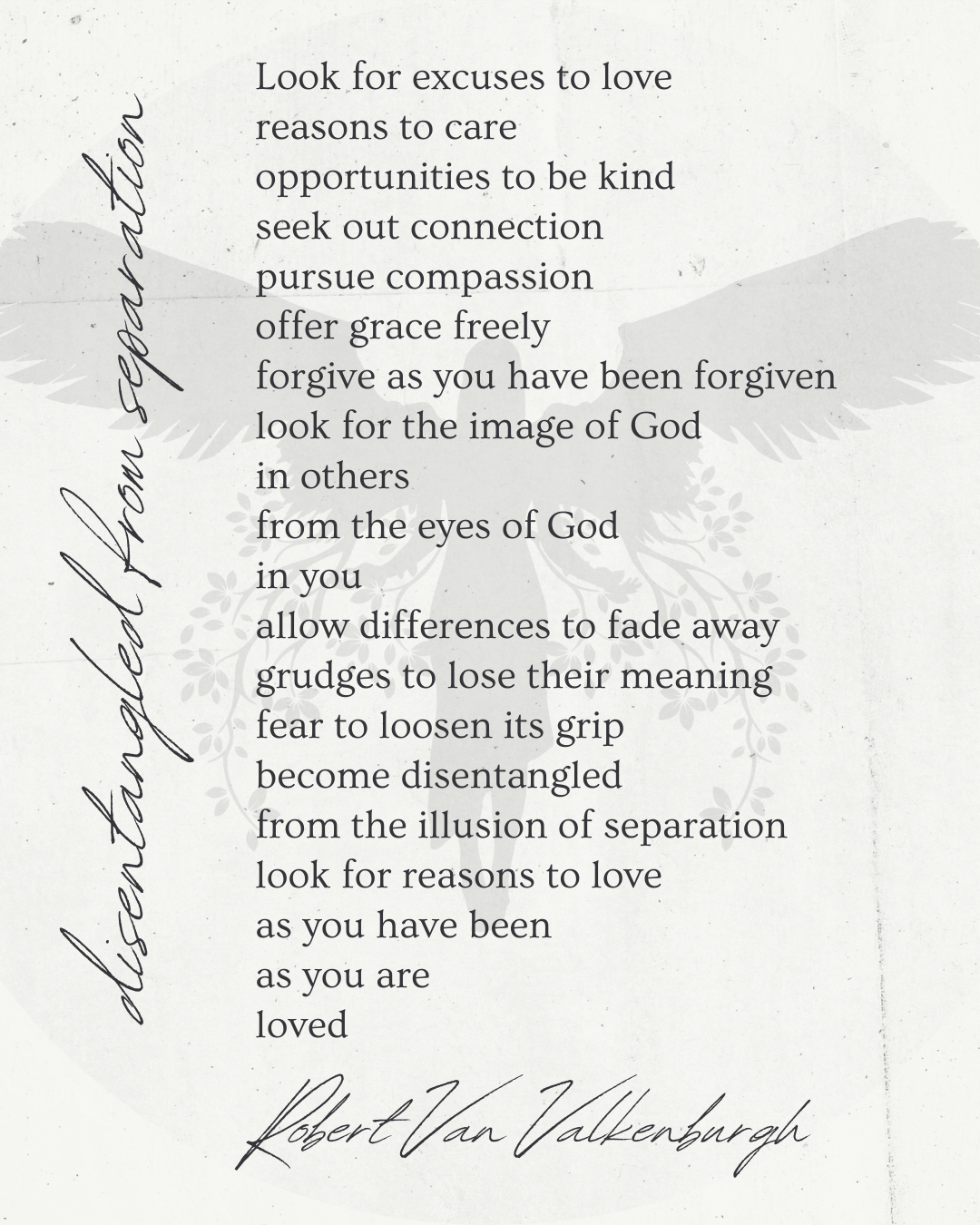
Disentangled From Separation: Look for Reasons to Love and To See God in Everyone (Oratio Divina)
A contemplative reflection on choosing love, practicing compassion, and seeing the image of God in others. This piece explores how forgiveness, grace, and connection dissolve fear and separation, inviting us to live from the love we have already received.
-

Into the Void: Falling, Letting Go, and Finding God in the Abyss (Oratio Divina)
This reflection explores the spiritual paradox of descent into nothingness as an encounter with God, echoing themes of surrender and kenosis found in Christian mysticism. Drawing on contemplative insight, it invites readers to release expectations and find divine presence in the sacred void.
-
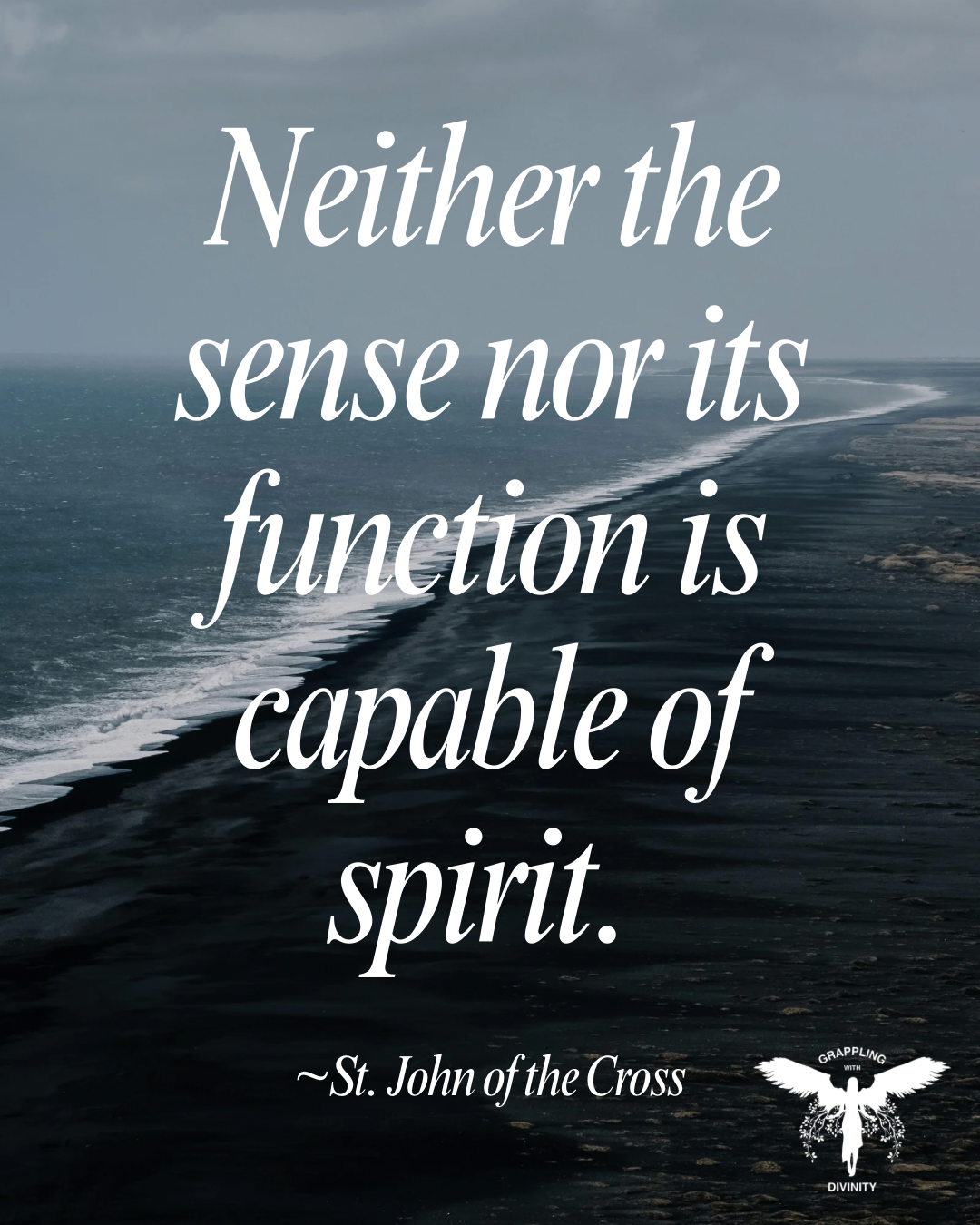
Lectio Divina: Capable Of Spirit
In this stark and penetrating insight, St. John of the Cross reminds us that the senses—along with their natural functions—cannot grasp the life of the Spirit. True knowledge of God does not arise from sensory experience or intellectual control but from surrender, purification, and faith. This quote invites readers into the heart of Christian…
-

Lectio Divina: He Who Made Them
Johannes Scotus Eriugena teaches that the beauty and form of the created world reveal the Word of God. By contemplating sensible things with spiritual insight, we come to know the Creator present in all creation, where truth ultimately points back to God alone.
-
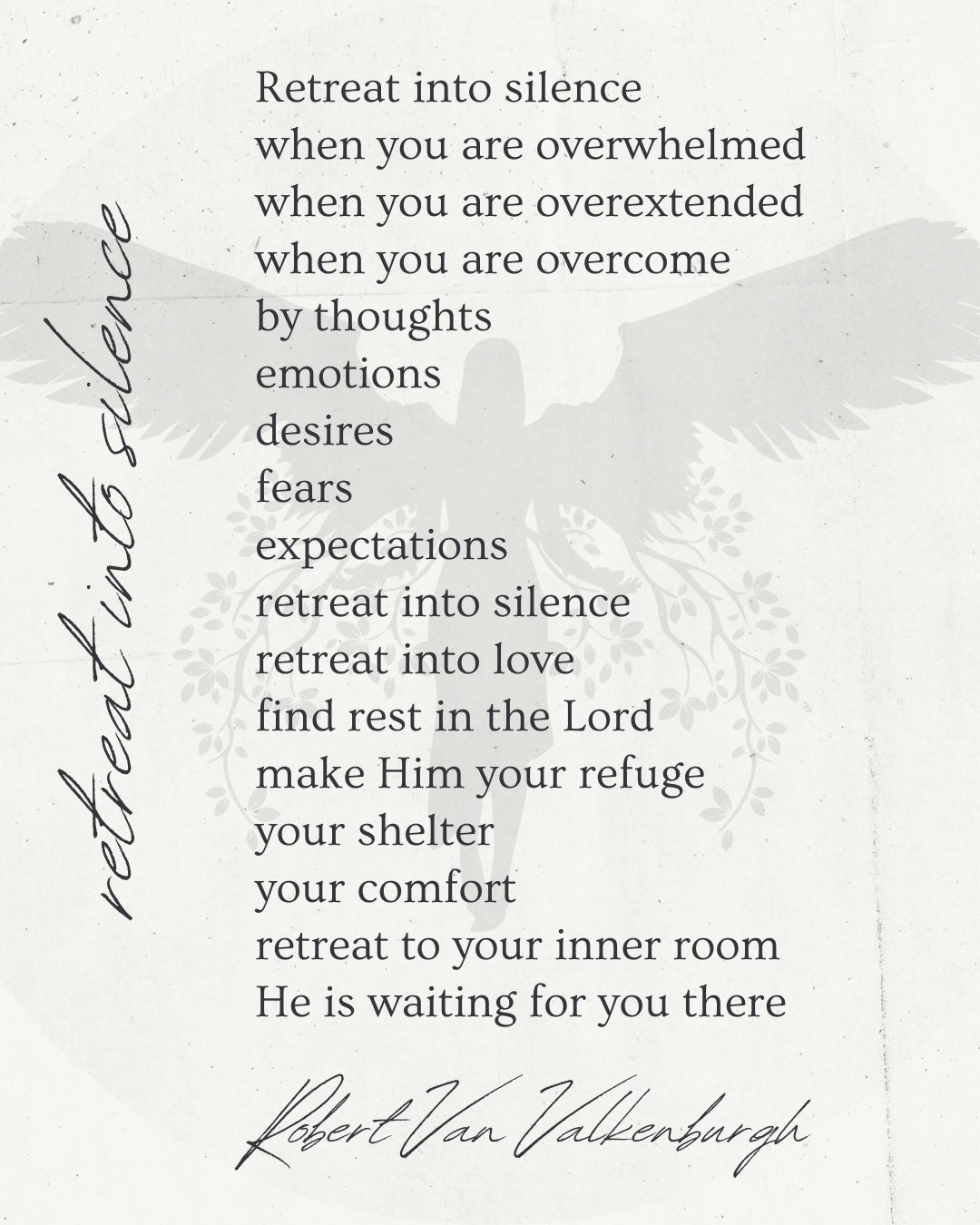
Oratio Divina: Retreat Into Silence
A prayerful meditation inviting the soul to retreat into silence and rest in God when overwhelmed, discovering Him as refuge, comfort, and loving presence within the inner room of the heart.
-

Lectio Divina: In God’s Love
A contemplative reflection from Trappist monk and disciple of Thomas Mertonc, Paul Quenon, on discovering that God’s love is not something we must search for, but a reality we already live within—inviting attentiveness, openness, and awareness of God’s constant presence.