-
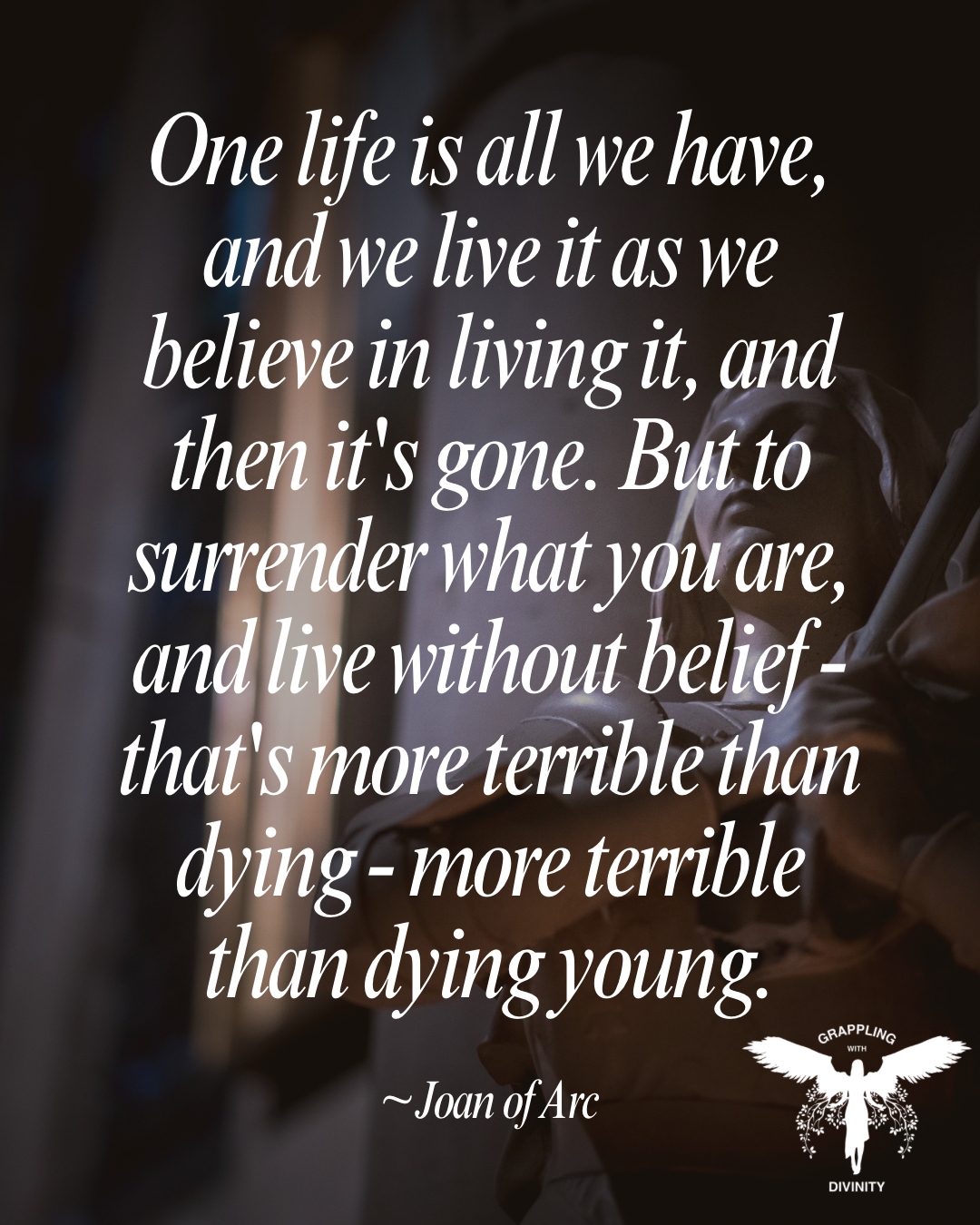
Do Not Surrender Your Imago Dei: Living With The Conviction of Belief (Lectio Divina)
A contemplative reflection on Joan of Arc’s words about living with belief and courage. This piece explores the cost of hiding from our calling and the quiet strength found in living faithfully and authentically before God.
-

Proclaiming Peace: Cultivating True Peace in the Heart, Not Just on the Lips (Lectio Divina)
A contemplative reflection on St. Francis of Assisi’s teaching about embodying peace within the heart before proclaiming it with words. Explores the slow interior work of allowing God to cultivate true peace that naturally flows into our relationships and daily life.
-

Lectio Divina: Far Away
Thomas Merton warns against environments and relationships rooted in deception, mockery, and exploitation, urging believers to practice discernment and seek communities shaped by honesty, humility, and genuine love. This reflection highlights the spiritual danger of false friendship and the call to cultivate integrity and compassion in our shared life.
-
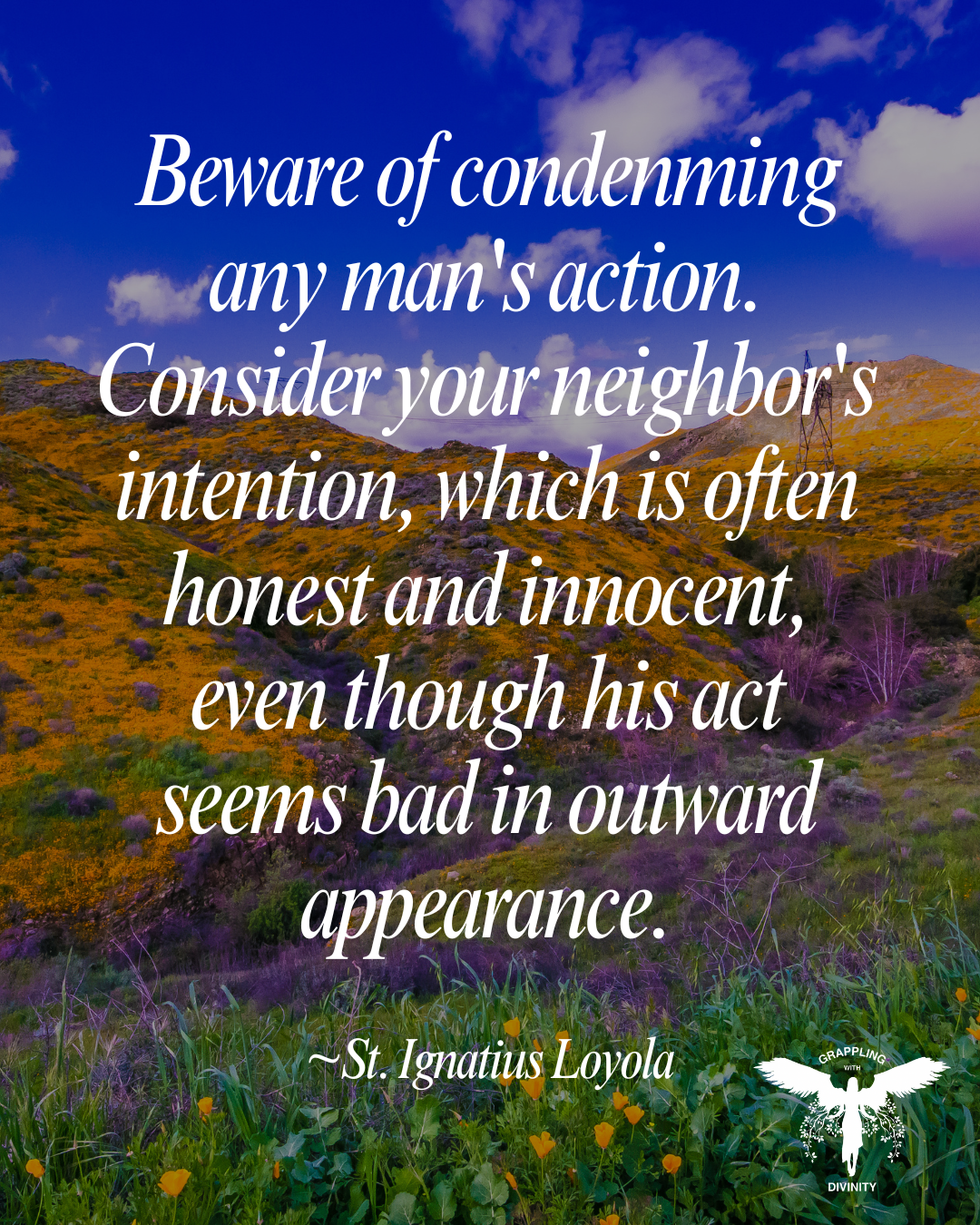
Lectio Divina: Consider Intentions
This Lectio Divina on St. Ignatius of Loyola’s wisdom invites us to move beyond surface judgments and consider the deeper intentions of others. Ignatius reminds us that outward actions can appear flawed while the heart behind them may be sincere, urging a spirituality of compassion, discernment, and humility. This reflection encourages readers to imitate…
-

Oratio Divina: Would It Be Love
This oratio divina invites us to reflect on the story our lives are telling—what we hope future generations will remember about our character, our dreams, our struggles, and the love we offered. It gently asks whether the next “word” written by our choices will be love, urging us to live intentionally and authentically. This…
-
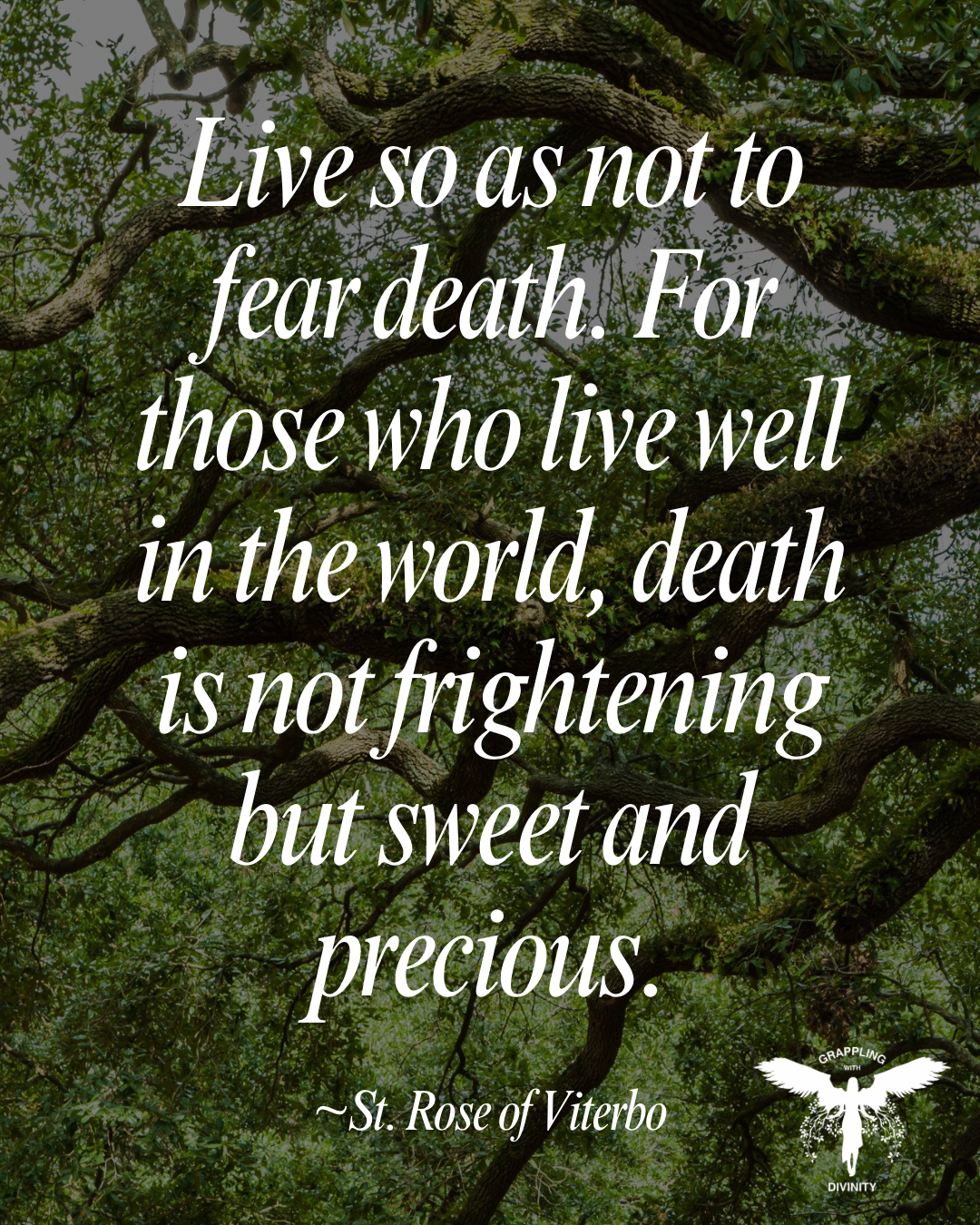
Lectio Divina: Live Well In The World
In this Lectio Divina on the words of St. Rose of Viterbo, we reflect on the call to live each day with eternal purpose. St. Rose reminds us that a life rooted in faith, virtue, and love of God transforms the fear of death into peace and anticipation of divine union. This meditation invites…
-
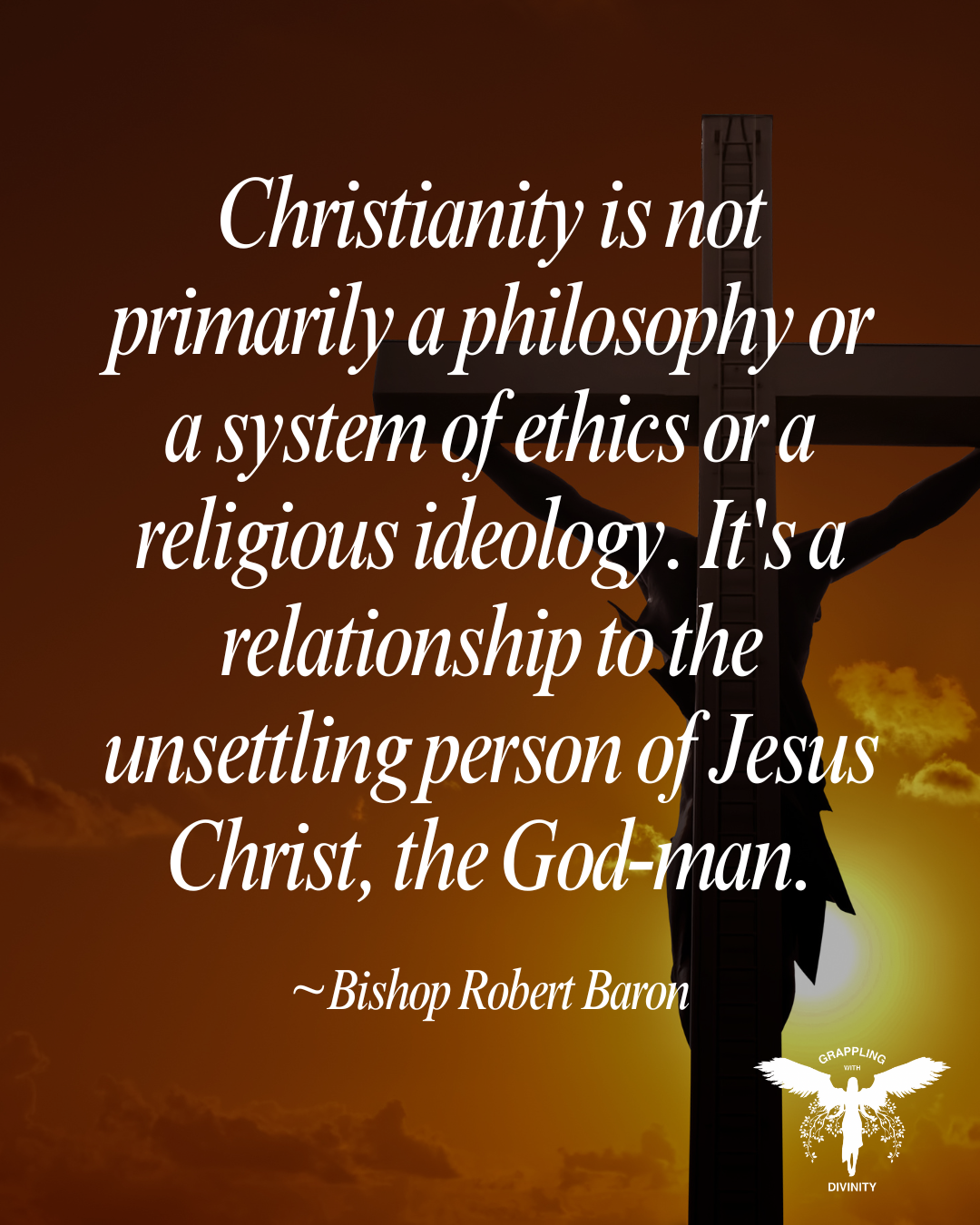
Lectio: A Relationship
Bishop Robert Barron reminds us that Christianity is not merely a philosophy, moral code, or ideology, but a living and transformative relationship with Jesus Christ, the God-man. True faith centers on encountering Christ Himself, whose presence is both unsettling and life-changing.
-
Lectio: Invisible Grace
St. Augustine beautifully describes the essence of a sacrament as “a visible sign of invisible grace.” This timeless truth highlights how the sacraments reveal God’s presence and love in tangible ways, making the unseen grace of Christ accessible to the faithful.
-
Lectio: Not Good Enough
Scott Hahn reminds us that sin is not always a desire for evil itself, but a settling for something less than God’s best. True fulfillment comes not from lesser goods, but from seeking the highest good—God alone.